Home / Blog / Cat Litter Guide: Choosing the Right Litter for Your Home
Cat Litter Guide: Choosing the Right Litter for Your Home
Clumping, silica, dust, odour, box quantity and how to switch litter without stressing your cat.
Pet Butler BD · 8/22/2026 · 2 min read
Cat Litter Guide: Choosing the Right Litter for Your Home
The right litter depends on dust, odour, your floor type and how many cats share a box.
Clumping vs non-clumping
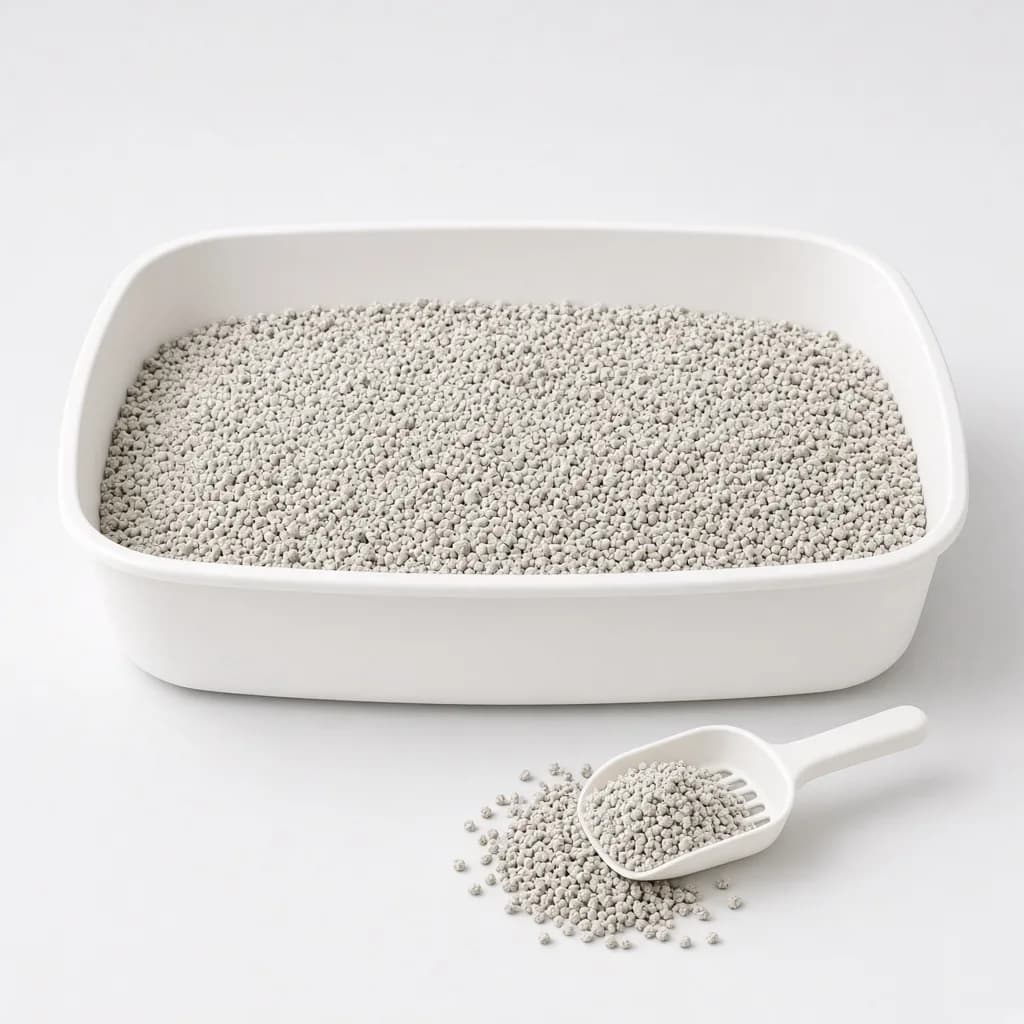
Clumping clay is easy to scoop daily. Non-clumping or crystal litter may last longer between full changes if used as directed.
Silica / crystal litter
Crystal litter can control moisture with less daily scooping, but some cats dislike the texture. Always keep dust in mind if anyone in the home is sensitive.
Dust
Low-dust litter is kinder for small apartments. Pour slowly and keep the box away from food bowls.
Odour control
Scoop daily, wash the box on a schedule, and avoid heavy perfume if your cat avoids the box.
Litter box quantity
A common household rule is one box per cat, plus one extra if space allows.
Cleaning routine
Scoop solids daily. Fully replace and wash according to the litter type.
Switching litter
Mix old and new litter over several days. If accidents start, slow the switch.
Related products live in Cat Litter.
Where to put the box in a small flat
Litter box placement causes more avoidance problems than litter choice does. Cats generally use a box more reliably when it is somewhere quiet with a clear exit, away from the washing machine and away from food and water. A bathroom or utility corner usually works; a cupboard the cat can be cornered in usually does not.
How much litter to use
Too little litter defeats clumping, and too much gets kicked out. Around 5–7 cm of depth suits most clumping litters. Crystal litter is used differently — follow the depth on the pack, because over-filling wastes it without improving performance.
Cost per month, not per bag
Clumping clay is cheaper per bag but you remove clumps daily and top up often. Crystal litter costs more up front and is usually replaced on a schedule instead. Work out roughly what a month costs each way for the number of cats you have before deciding which is actually cheaper for you.
Monsoon and humidity
In the rainy season, litter absorbs ambient moisture as well as urine, and a box in a damp room will smell sooner. Keep the bag sealed, store it off a damp floor, and expect to change the box more often than in the dry months.
Disposal
Do not flush clumping clay litter — it sets hard and blocks plumbing. Bag waste and put it in general household waste.
When a litter problem is actually a health problem
Straining, frequent trips to the box with little result, blood, or a cat crying in the box are urgent, not a litter preference. Urinary blockage is a genuine emergency, especially in male cats. See a veterinarian the same day rather than changing the litter and waiting.
Sources
- Manufacturer feeding and care statements on product packaging
- General companion-animal husbandry guidance; not a veterinary diagnosis